Jade Plus: Enhanced Design meets Maximum Security

 Check our Shop Check our Shop
Most blockchain architectures expose institutions to faulty smart contracts, publicly visible transaction details and global-state contagion. Blockstream’s stack changes this.


| ✓Liquid Network | Most blockchains | |
|---|---|---|
| Ledger architecture | UTXO. Parallel, self-contained transaction execution guarantees deterministic outcomes and risk isolation. | Account. Shared global state introduces systemic vulnerabilities: a single hacked protocol can trigger network-wide failures. |
Core functionalities
| Native. Ensures maximal security. | Non-native. Leads to dependence on complex, vulnerable smart contracts. |
| Separation of policy rules and private keys | No. Hardware verifies rules and stores keys, ensuring robust signing ceremonies. | Yes. Keys are often secured by hardware but software verifies rules, enabling "blind signing" exploits. |
| Architectural provenance and security | Shares 80%+ of its codebase with Bitcoin. | Less-tested codebases. Operations vulnerable to native utility token structures. |
| Formally verifiable smart contracts | Yes. Simplicity enables pre-deployment mathematical verification of every possible scenario. | No. Solidity and other languages make verification reliant on complex audits. |
| Sequencer architecture | Decentralized. | Centralized, for most Layer-2s. |
| Ability to reorder or view the transaction sequence | No. Maximal Extractable Value (MEV) is extremely low. | Yes. Front-running is possible. |
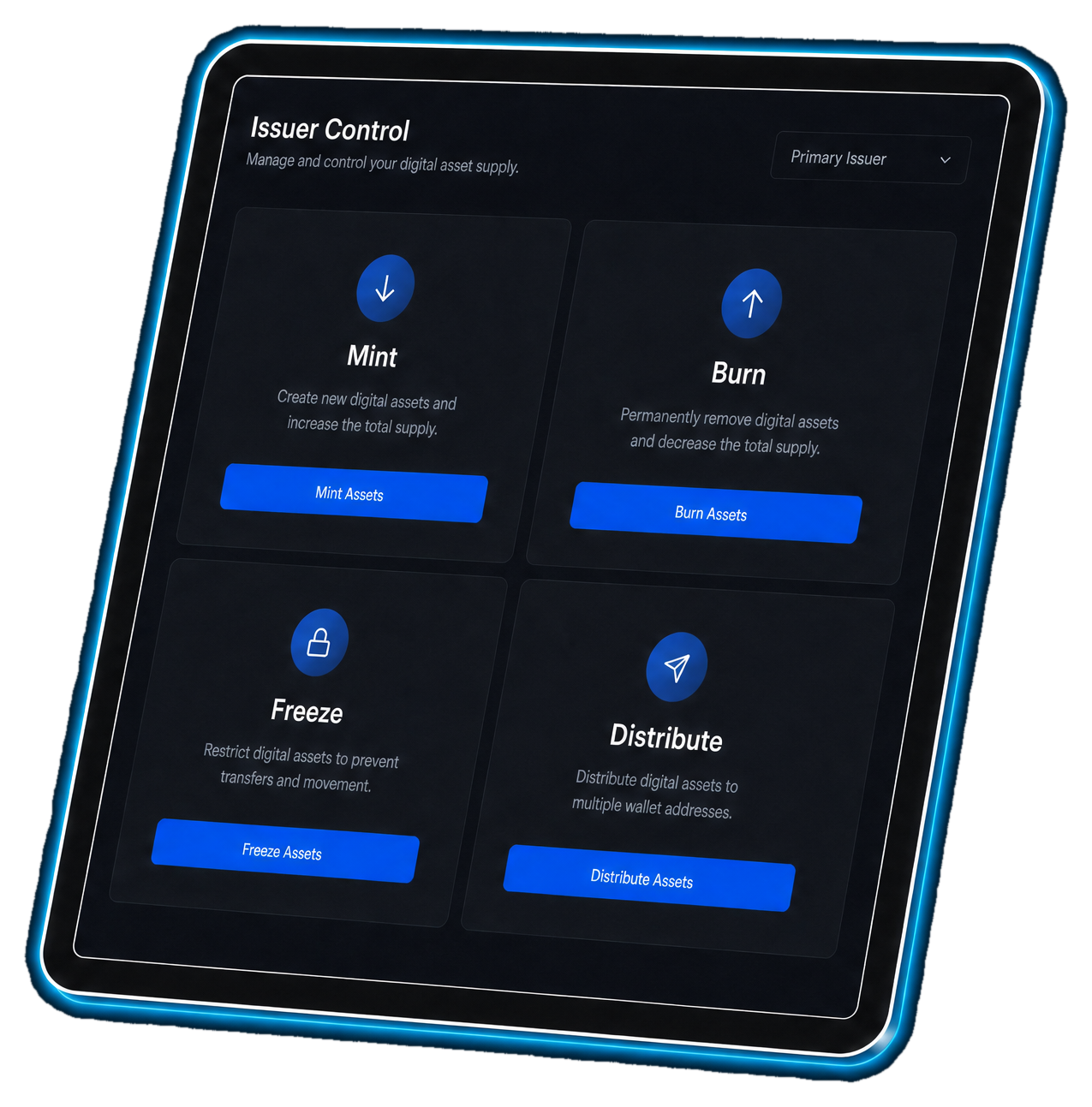
With Blockstream's tokenization platform, you can:
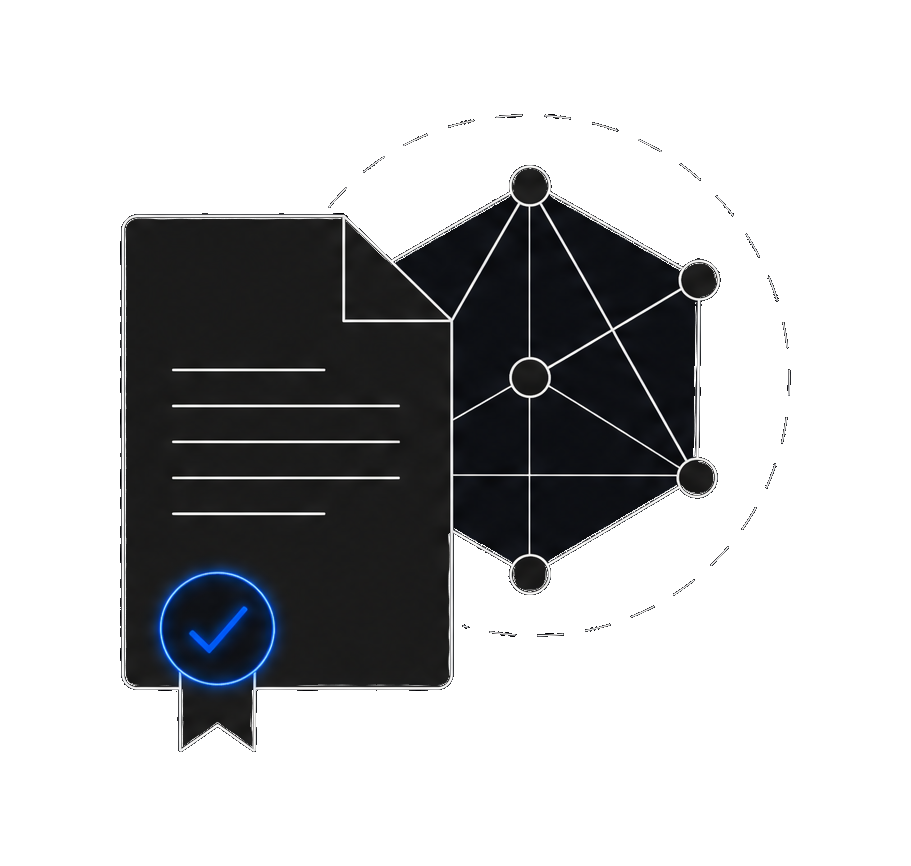
Once your tokens are minted, whether they are securities, deposits or commodities, it's important to ensure they interact with robust protocols. Simplicity is high-assurance smart contracting built for finance:
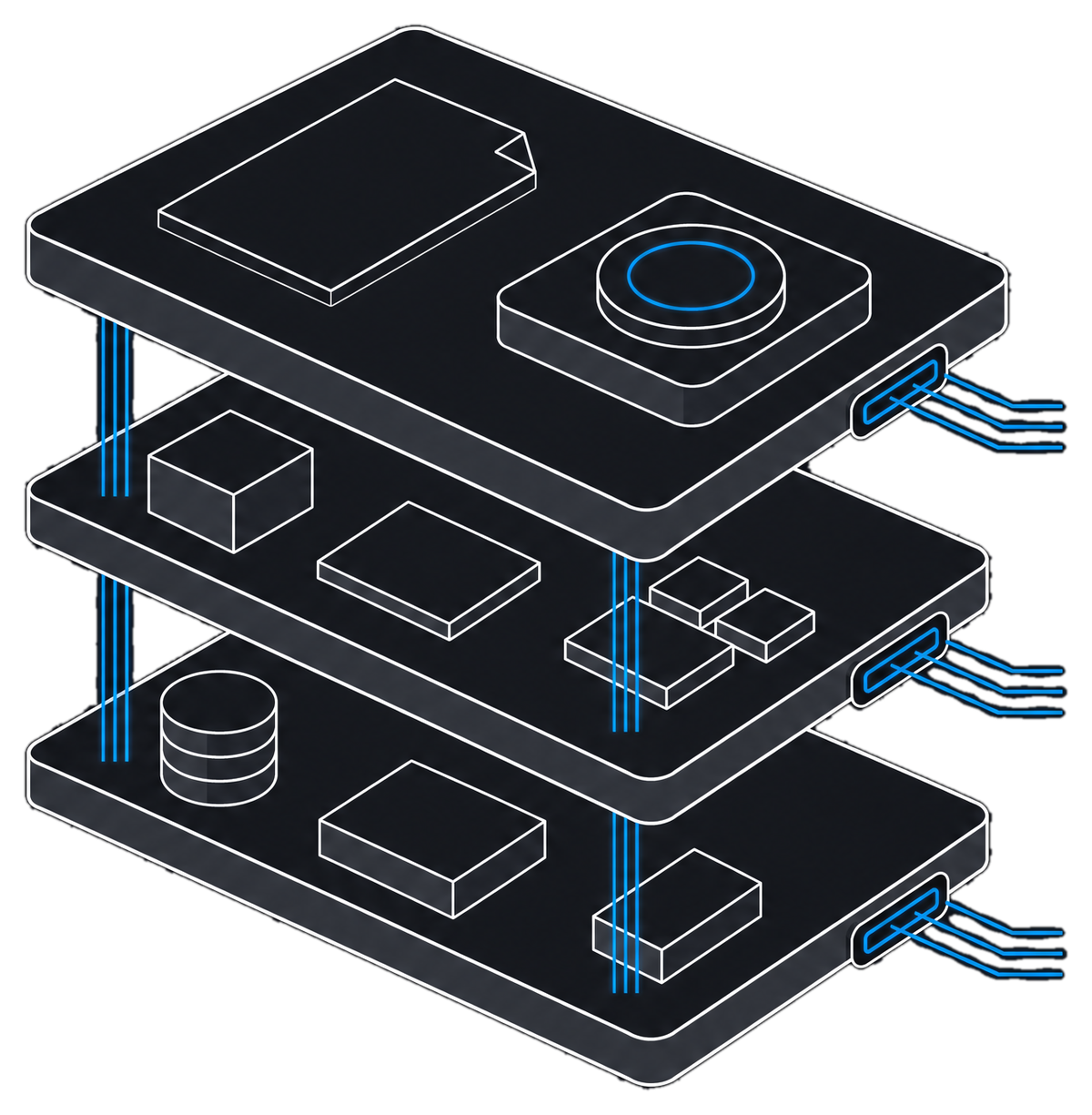
Integrate with existing wallets, exchanges, and back-end systems through standard APIs, delivered turnkey or unbundled. Minted assets work natively in Blockstream App.