Jade Plus: Enhanced Design meets Maximum Security

 Check our Shop Check our Shop
Whether it's to issue tokenized deposits, custody assets, enhance trade finance flows with smart contracts or create collateralized lending protocols, banks should build on the most secure foundation.


Each era moved the record closer to the transfer. Tokenization is the first that lets the issuer's rules travel with the asset.
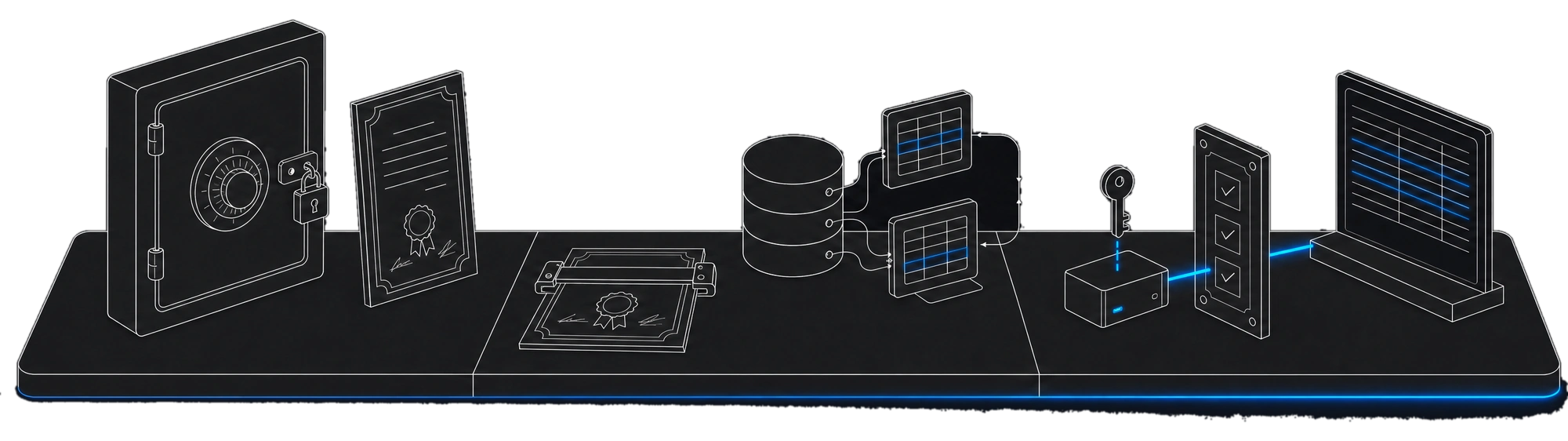
Ownership was a physical document locked in the bank's vault. Losing the paper made proving ownership slow and costly.
Certificates were immobilized. Ownership became a line item in a central depository's database. Faster, but reconciliation and settlement still run through intermediaries.
Ownership moves by cryptographic key, not as a bearer asset. Issuer transfer restrictions and the register stay enforced on-chain, so compliance holds while settlement gets faster.
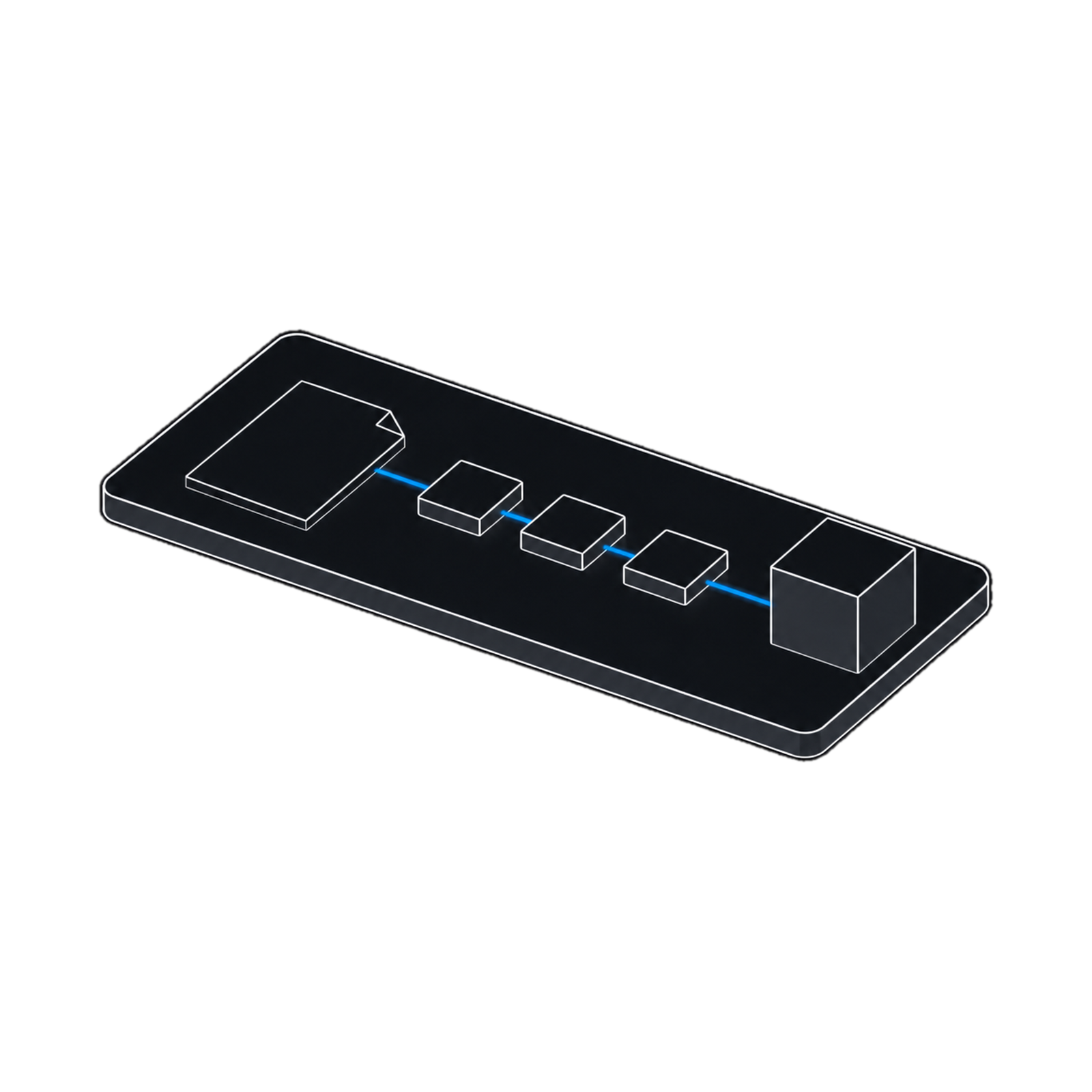
With Blockstream Enterprise's Custody stack, a policy engine checks every transaction against limits, roles, timing, and risk conditions before any signature, ensuring no policy drift. Approved transactions execute in a secure, customer-owned signing environment using multi-approval, and private keys never leave the HSM.
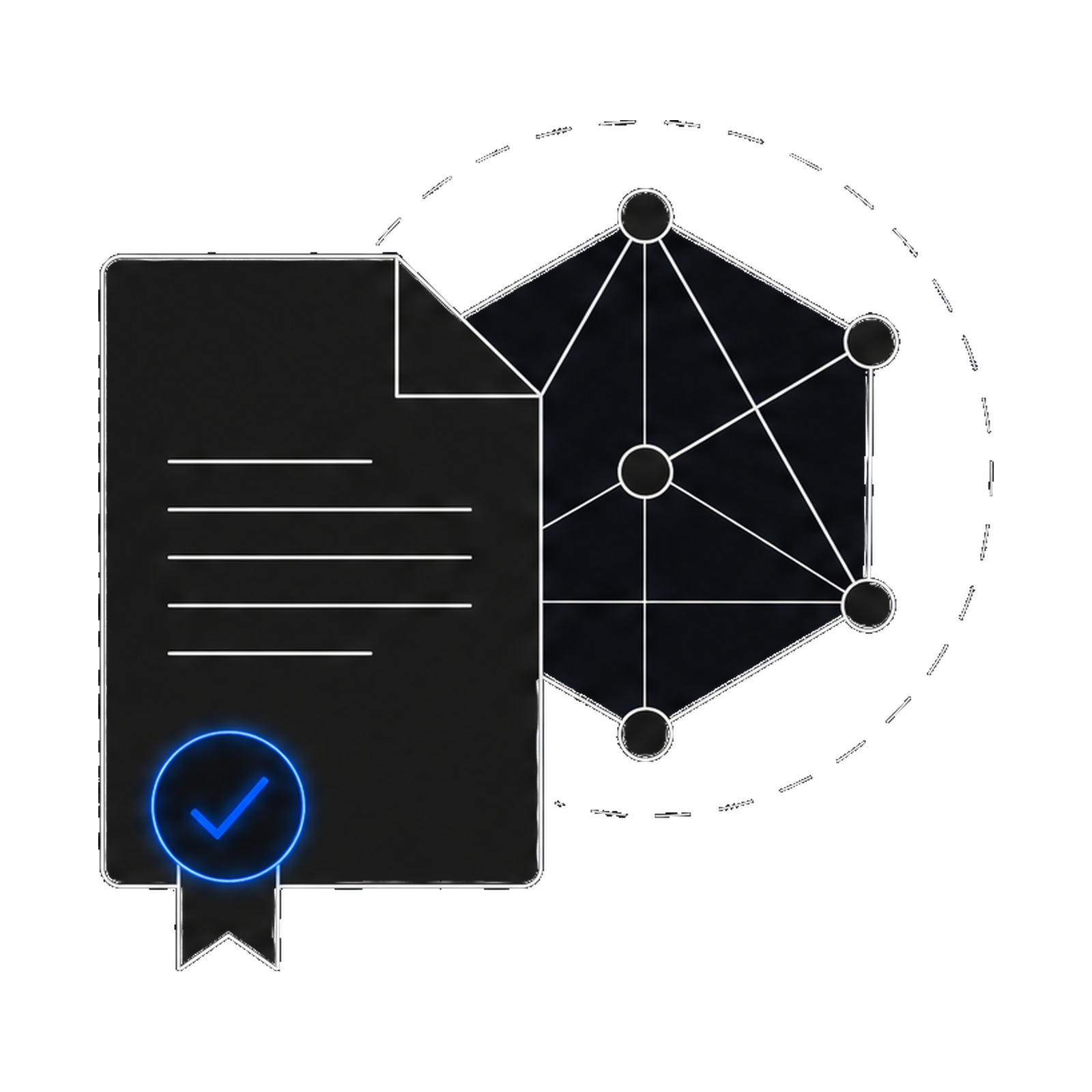
Issue tokenized deposits, notes, LoCs, receivables, MMFs or repos on a network built for secure and compliant confidentiality. Ensure your tokens interact with formally verifiable smart contracts, to avoid entire classes of bugs and make cascading network-wide failures impossible.
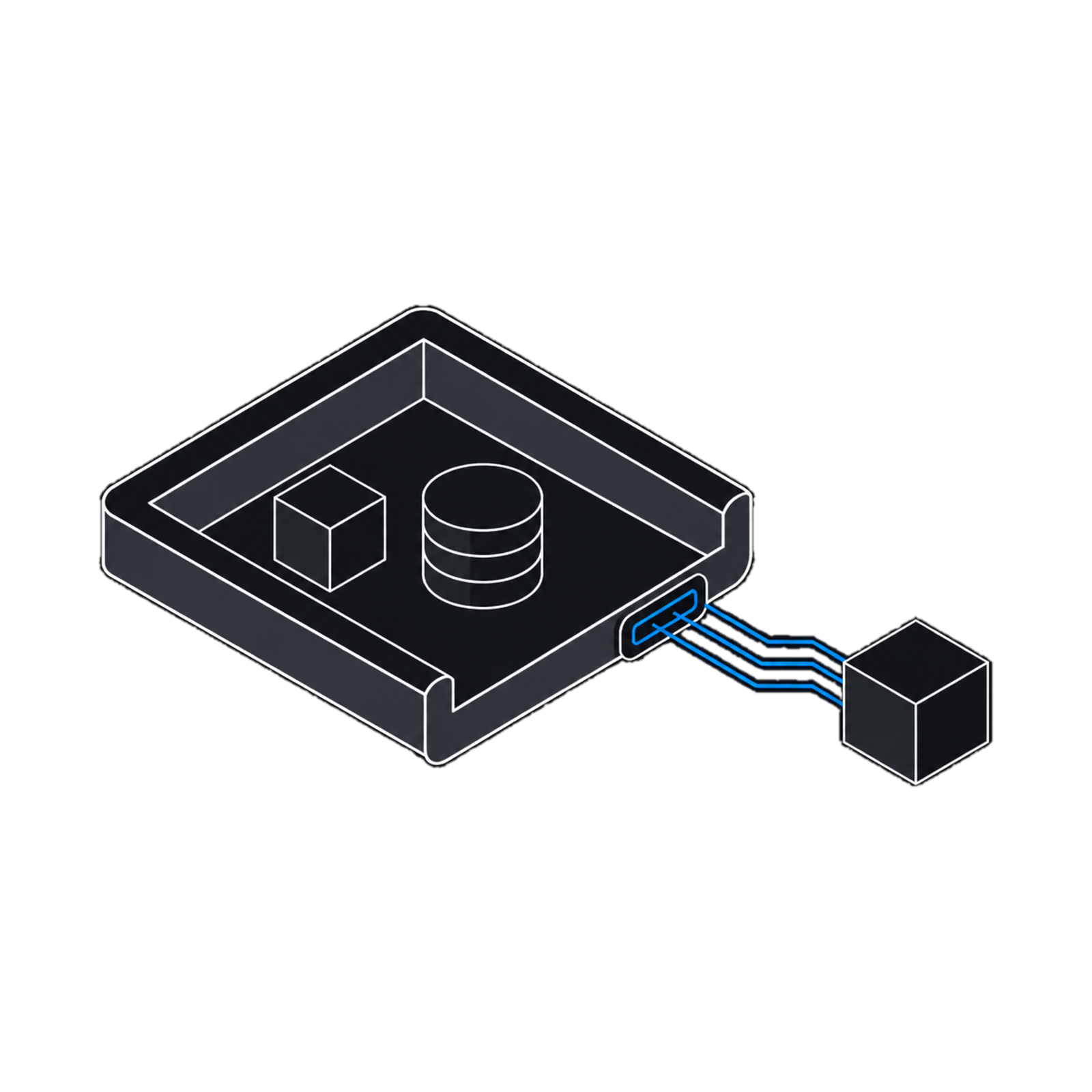
Deploy a private, configurable, and interoperable blockchain using Elements (Liquid Network's underlying technology) for more efficient settlement between your internal entities and closest partners. Customize its parameters to meet the needs of your institution, and make your private sidechain interoperable with the broader ecosystem.